
Summary
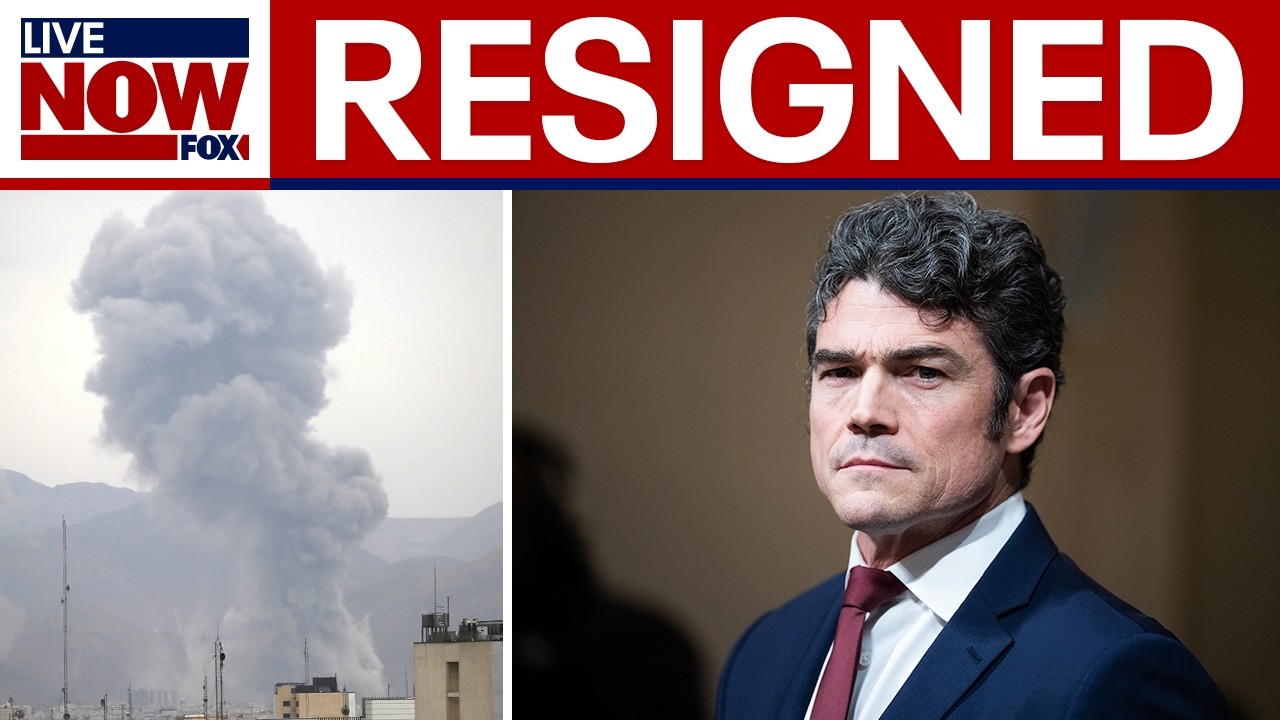
In a dramatic move, **Joe Kent**, the Director of the **National Counterterrorism Center**, resigned over the Trump administration's war with **Iran**. Kent, a decorated veteran and former Trump supporter, alleged in a public letter that the war was initiated due to pressure from **Israel** and its "powerful American lobby," and that Iran posed "no imminent threat" to the U.S. The **White House** dismissed his claims, asserting they possessed "compelling evidence" of an impending Iranian attack. The **Anti-Defamation League (ADL)** accused Kent of employing "antisemitic tropes" in his reasoning, a sentiment echoed by the pro-Israel lobbying group **Aipac**.
Key Takeaways
- Top counterterrorism official Joe Kent resigned, citing the Iran war as based on deception.
- Kent alleged pressure from Israel and its American lobby, not an imminent threat, drove the war.
- The White House defended its actions, claiming 'compelling evidence' of Iranian aggression.
- Kent's criticisms were met with accusations of 'antisemitic tropes' from the ADL.
- The resignation highlights internal dissent and raises questions about war-making transparency.
Balanced Perspective
Joe Kent, a Trump appointee, has resigned from his position as Director of the National Counterterrorism Center. His stated reasons involve a disagreement over the justification for military action against Iran, which he claims was based on misinformation and external pressure. The White House maintains it had sufficient evidence to initiate the conflict. The controversy is amplified by accusations from groups like the ADL regarding the nature of Kent's criticisms.
Optimistic View
Joe Kent's resignation represents a crucial moment for **accountability** within the executive branch. His willingness to publicly challenge a war based on alleged misinformation, even at personal cost, highlights the importance of dissenting voices. This could embolden other officials to speak out against potentially unjustified military actions, fostering a more transparent and cautious foreign policy, especially concerning the volatile [[Middle East|Middle East]] region.
Critical View
Kent's resignation and his accusations risk destabilizing an already tense geopolitical situation, potentially emboldening adversaries and sowing further distrust. The claims of "antisemitic tropes", if substantiated, could severely damage his credibility and distract from legitimate policy debates. This internal dissent within a high-stakes foreign policy decision-making process could lead to unpredictable international repercussions and further alienate key allies.
Source
Originally reported by BBC