Trump Fires Back at German Chancellor Over Iran Criticism
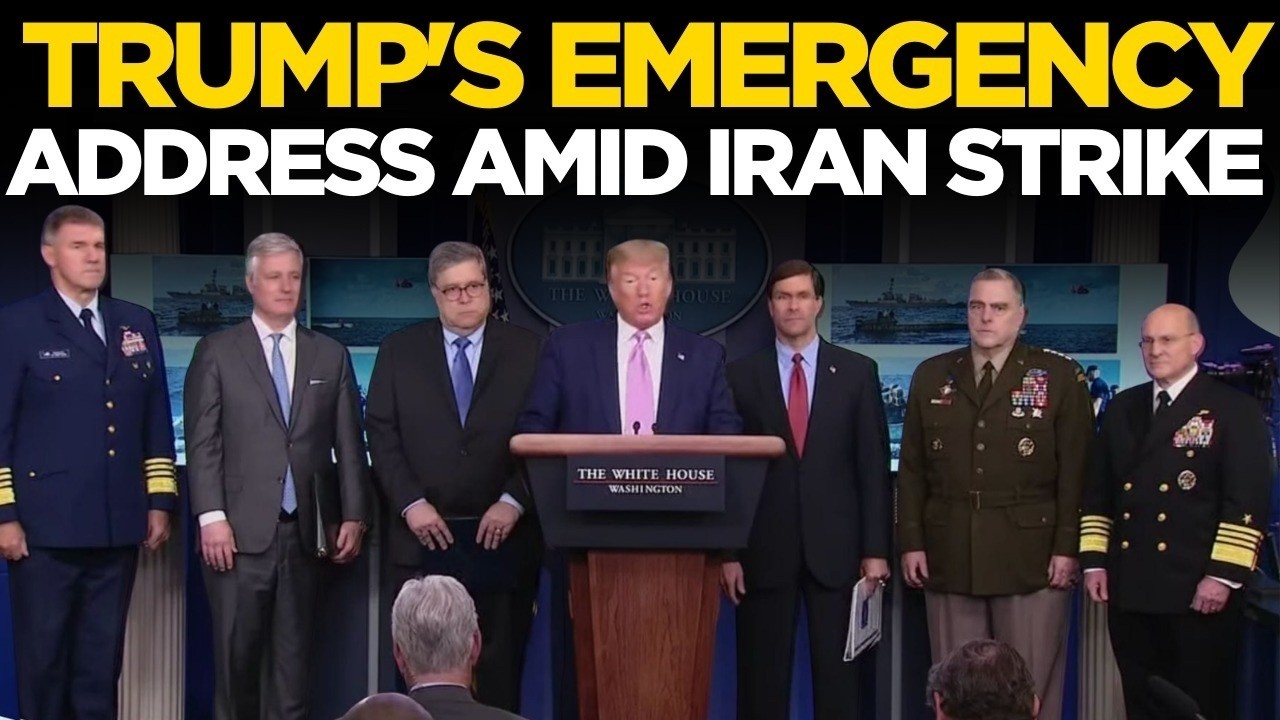
Former US President **Donald Trump** has publicly criticized German Chancellor **Olaf Scholz**'s remarks about the US being "humiliated" by Iran. Trump, speakin
Summary
Former US President **Donald Trump** has publicly criticized German Chancellor **Olaf Scholz**'s remarks about the US being "humiliated" by Iran. Trump, speaking at a rally, claimed Scholz "doesn't know what he's talking about." This exchange highlights ongoing tensions and differing perspectives on **Middle East** policy, particularly concerning **Iran**'s regional influence and nuclear ambitions. The dispute surfaces amidst broader concerns about **Hezbollah**'s actions in Lebanon and the volatile geopolitical landscape of the region. This public disagreement underscores the challenges in maintaining a unified Western front on foreign policy.
Key Takeaways
- Donald Trump publicly criticized German Chancellor Olaf Scholz over comments regarding US policy towards Iran.
- German opposition leader Friedrich Merz stated the US was being 'humiliated' by Iran.
- The exchange occurs amidst ongoing tensions in the Middle East, including Hezbollah drone strikes.
- The dispute reveals differing perspectives on how to counter Iran's regional influence.
- This public disagreement could strain transatlantic relations and complicate unified foreign policy efforts.
Balanced Perspective
The exchange between Trump and Scholz reflects differing political strategies and domestic pressures within their respective countries. While Merz's comments were made in his capacity as opposition leader, they represent a significant critique of current US foreign policy. Trump's immediate and sharp retort indicates a continued willingness to engage in public disputes over international affairs, particularly when his past policies or perceived strengths are challenged. The actual impact on US-German relations or Iran policy remains to be seen, as these are often shaped by more than just public statements.
Optimistic View
This public disagreement, while seemingly contentious, could ultimately lead to a more robust and nuanced debate on how to effectively counter Iran's destabilizing actions. By forcing a re-evaluation of strategies, it might spur the development of more effective diplomatic and economic measures that avoid direct confrontation and better protect regional allies. A clearer, more unified approach could emerge from this friction, ultimately strengthening international resolve against Iranian aggression.
Critical View
This public spat between a former US President and a current European leader risks further fracturing Western alliances at a critical juncture. Such infighting weakens the collective stance against adversaries like Iran, potentially emboldening them. It also signals a lack of strategic coherence, making it harder to forge unified diplomatic or economic pressure campaigns. The focus on personal attacks distracts from the complex, substantive issues at play in the Middle East, such as Iran's nuclear program and regional proxy conflicts.
Source
Originally reported by The Guardian