Pakistani Army Chief's Tehran Visit: A Diplomatic Gambit Amidst
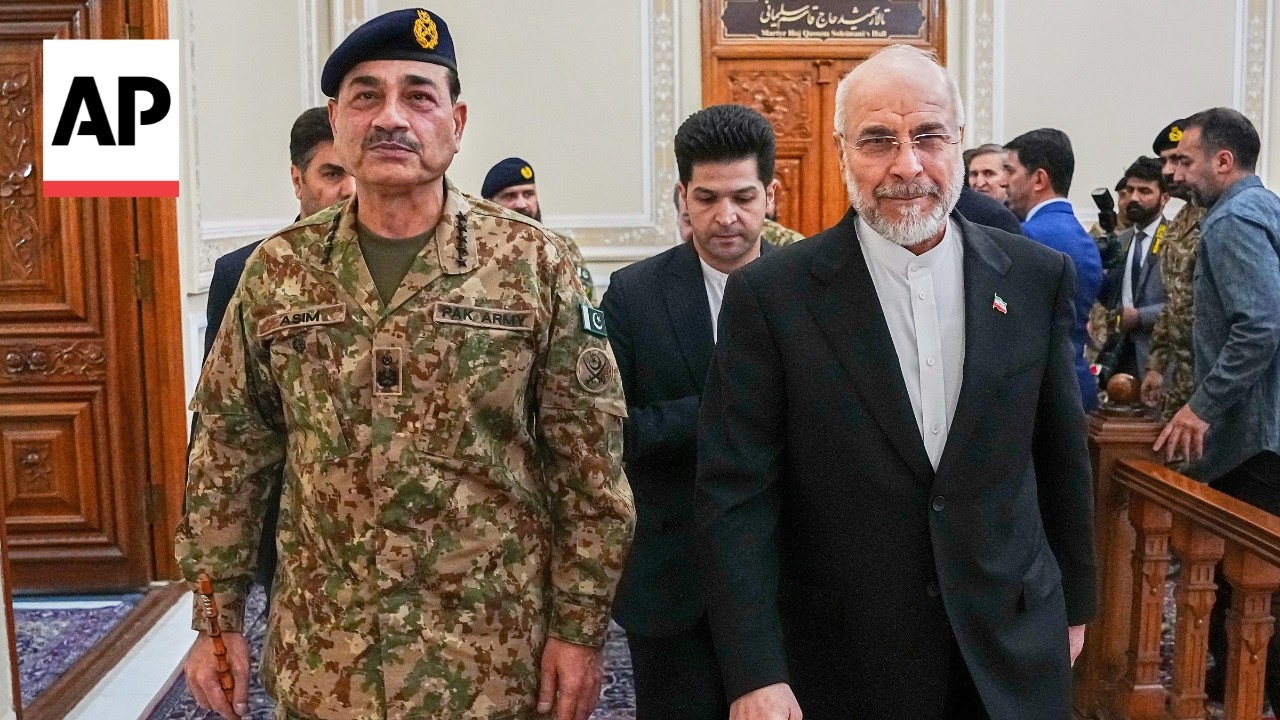
In a significant diplomatic maneuver, Pakistan's Army Chief, **General Asim Munir**, visited **Tehran** on **April 15th**, aiming to de-escalate tensions and po
Summary
In a significant diplomatic maneuver, Pakistan's Army Chief, **General Asim Munir**, visited **Tehran** on **April 15th**, aiming to de-escalate tensions and potentially restart stalled talks between the **United States** and **Iran**. This high-level engagement occurred against a backdrop of escalating conflict, including reported Israeli strikes on Lebanon and ongoing discussions about a potential US blockade of the [[Strait of Hormuz]]. The visit underscores Pakistan's strategic interest in regional stability and its unique position as a potential mediator, though the success of such an initiative remains highly uncertain given the entrenched positions of both Washington and Tehran. The visit by General Munir, as reported by [[Al Jazeera]], highlights the complex web of regional diplomacy. While the article itself is a live blog update and doesn't detail the outcomes of the meeting, the very act of the Pakistani army chief engaging with Iranian leadership signals a concerted effort to inject a new dynamic into the protracted US-Iran standoff. The timing, amidst heightened military activity and the looming threat of further escalation, makes this diplomatic overture particularly noteworthy.
Key Takeaways
- Pakistan's Army Chief visited Tehran with the stated goal of restarting US-Iran talks.
- The visit occurred amidst heightened regional tensions, including Israeli strikes in Lebanon.
- Pakistan aims to leverage its unique position to mediate between the US and Iran.
- The success of this diplomatic initiative remains highly uncertain.
- The situation underscores the ongoing volatility in the Middle East and its global implications.
Balanced Perspective
The visit of Pakistan's Army Chief to Tehran is a diplomatic engagement aimed at exploring avenues for dialogue between the [[United States]] and [[Iran]]. The specific outcomes and the extent of General Munir's influence on restarting talks are not yet clear from the initial reporting. The visit occurs within a broader context of regional tensions, including Israeli strikes in Lebanon and discussions around maritime security in the Strait of Hormuz, making its impact difficult to assess without further developments.
Optimistic View
General Munir's visit to Tehran represents a crucial opportunity for **de-escalation** and a potential **breakthrough** in US-Iran relations. Pakistan, with its established ties to both nations, is uniquely positioned to facilitate dialogue and bridge the gap, potentially averting a wider regional conflict and stabilizing the [[Strait of Hormuz]]. This diplomatic initiative could pave the way for renewed negotiations, leading to a more predictable geopolitical landscape and fostering regional security.
Critical View
General Munir's trip to Tehran is unlikely to yield any significant progress in restarting US-Iran talks, given the deep-seated animosity and the entrenched positions of both sides. The Pakistani army chief's visit may be more symbolic than substantive, failing to address the core issues driving the conflict, such as Iran's nuclear program or its regional proxy activities. The escalating military actions, including Israeli strikes, suggest that diplomatic efforts may be outpaced by the momentum of conflict, rendering this initiative a mere footnote in a worsening crisis.
Source
Originally reported by Al Jazeera